Power
Black & Veatch Sees Dim Future for Coal-fired Electricity in U.S.
Environmental regulations, low gas prices and continued growth in renewable electricity will sharply reduce coal use in the U.S. Power Industry over the next 25 years...
Released Monday, December 12, 2011
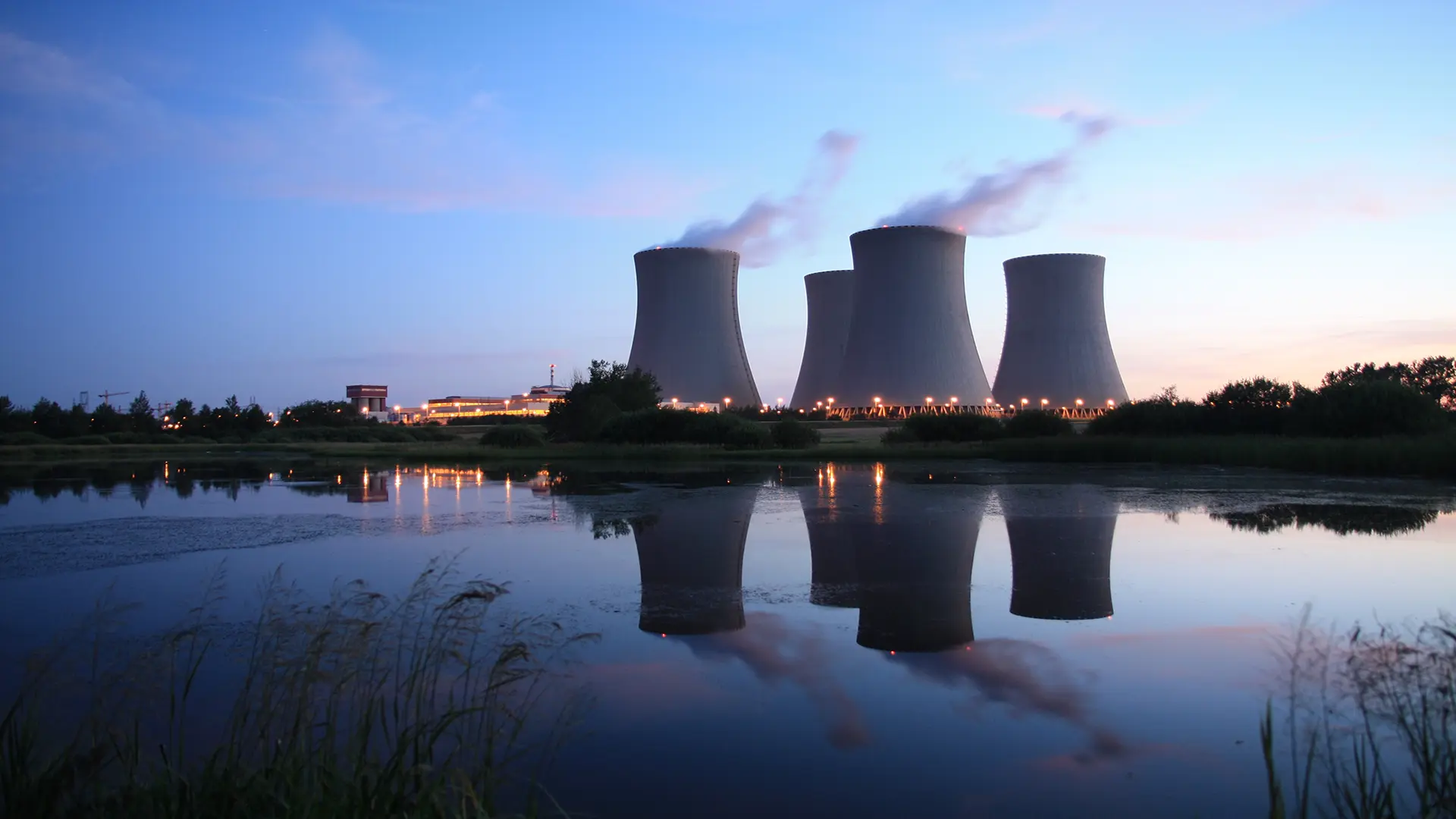
Written by John Egan for Industrial Info Resources (Sugar Land, Texas)--Environmental regulations, low gas prices and continued growth in renewable electricity will sharply reduce coal use in the U.S. Power Industry over the next 25 years, Rob Patrylak, managing director of Energy Market Perspectives, a service from Black & Veatch (B&V) (Overland, Kansas), said in a web conference Wednesday.
On a capacity basis, coal's share of the generation market will fall to 15% in 2036 from 31% in 2012, he projected. By 2036, conventional coal capacity will fall to about 194,000 megawatts (MW), from 314,000 MW today. Patrylak added that the percentage of electricity produced from conventional coal will fall sharply from 41% in 2012 to 16% in 2036.
Over that same 25-year timeframe, Patrylak continued, U.S. renewable generation capacity will triple, from about 40,000 MW in 2012 to about 120,000 MW of installed capacity. Gas-fired generation capacity will soar to 44% of the generation fleet in 2036 from 24% in 2012.
 Click on the icon at right to see Black & Veatch's projected sharp increase in renewable generation capacity over the next 25 years.
B&V's Energy Market Perspective, produced twice a year, projects fuel price trends, predicts economic growth, documents transmission trends and assesses the impact of regulations on the electricity, coal, gas and oil markets. "Right now, we're living in a very uncertain world: We're seeing volatile prices for fuel and manufactured goods, as well as sovereign debt problems in Europe," he said in a web conference titled, "Adapting to the 'New Normal.'"
Patrylak predicted that environmental regulations will force the retirement of about 61,500 MW of U.S. coal-fired generation by 2020. Since 2010, generation owners have announced they will prematurely retire about 28,000 MW of coal generation by 2020. "The future of new coal generation is uncertain and hinges upon the successful demonstration of carbon capture and sequestration (CCS) technology," he told the web conference.
Over the next 25 years, Patrylak said about 300,000 MW of new gas-fired generation could be added to the U.S. generation fleet to replace shuttered coal-fired generation and meet new electric demand. He forecast that more than 100,000 MW of new renewable generation will need to be built over the next quarter-century to meet state renewable portfolio standard (RPS) requirements. Most of this new renewable generation will be wind, he said.
Although U.S. gross domestic product (GDP) has grown for nine consecutive quarters, Patrylak noted that the economic recovery "is slower than what has been experienced in part post-recession periods." Looking forward, he added: "Between 2012 and 2015, the U.S. will experience a moderate economic rebound before reverting to an annual economic growth of 1.1% starting in 2015."
Speaking at the same December 7 web conference, Andrew Byers, a B&V associate vice president for power generation environmental services, discussed how the U.S. power business will be affected by three significant environmental regulations: Cross-State Air Pollution Rule (CSAPR), Utility Maximum Achievable Control Technology (MACT) rule, and the Regional Haze rule.
The U.S. Environmental Protection Agency (EPA) (Washington, D.C.) has recently stepped up its activity around regional haze, targeting emissions of sulfur dioxide (SO2), oxides of nitrogen (NOx) and particulate matter (PM) from power plants located in the Western U.S. that were built in the 1960s and 1970s, he said. EPA is requiring affected sources to install Best Available Retrofit Technology (BART) to lower those emissions and improve visibility in Class 1 federal lands like national parks and wilderness areas.
Of these three environmental rules, Byers said the utility MACT rule, which covers emissions of mercury and other hazardous air pollutants (HAPs), "will drive the most power plant shutdown decisions." The EPA is scheduled to issue its final utility MACT rule by December 16. "Taken as a whole, these three rules will go a long way in determining the future viability of coal-fired generation in the U.S. force," he commented.
"You can't view these three rules in isolation from each other, as changes made under one rule could affect compliance decisions under another rule," Byers said. For more on the CSAPR rule, see October 13, 2011, article - EPA Proposes Technical Changes to Finalized Cross-State Air Pollution Rule. For more on the utility MACT rule, see March 18, 2011, article - EPA Releases Draft Rule on Mercury Emissions, New Source Performance Standards.
U.S. production of natural gas from shale formations is expected to more than double over the next quarter-century, to about 45 billion cubic feet per day (Bcf/d) from 20 Bcf/d in 2012, predicted Ann Donnelly, B&V's director of natural gas and power fuels. She sees power generation demand for gas rising by an average of about 2% per year through 2036. The U.S. shale gas resource base and production trends will offset projected declines from conventional gas production, helping keep gas prices low. While recognizing there are "environmental concerns" about shale gas production, Donnelly said she believes these concerns can be "mitigated with reasonable regulations and existing technology."
 Click the image at right to see Black & Veatch's projection for increasing U.S. shale gas production through 2036.
Donnelly told Wednesday's web conference that B&V sees Henry Hub gas prices averaging $5 per million British thermal units (MMBtu) over the 2012-15 period, a decline of $0.90 per MMBtu from the firm's Spring 2011 energy price forecast. "Current natural gas prices are not sustainable, but growing demand will lift prices over time," she said. "We don't see 'hockey stick' growth, but rather modest price increases. The gas market is currently working through an over-supply, which is holding prices down."
The B&V speakers hedged their bets on the future of nuclear power. Patrylak said growth in U.S. nuclear capacity "could be substantial, upwards of 25,000 MW" over the next 10 to 15 years, "but permitting and financing hurdles will need to be vaulted, plus license expiration could lead to a diminishment of nuclear capacity by 2035."
Industrial Info Resources (IIR), with global headquarters in Sugar Land, Texas, and eight offices outside of North America, is the leading provider of global market intelligence specializing in the industrial process, heavy manufacturing and energy markets. Industrial Info's quality-assurance philosophy, the Living Forward Reporting Principle, provides up-to-the-minute intelligence on what's happening now, while constantly keeping track of future opportunities.
/news/article.jsp
false
Want More IIR News Intelligence?
Make us a Preferred Source on Google to see more of us when you search.
Add Us On GoogleAsk Us
Have a question for our staff?
Submit a question and one of our experts will be happy to assist you.

Forecasts & Analytical Solutions
Where global project and asset data meets advanced analytics for smarter market sizing and forecasting.
Learn MoreRelated Articles

Industrial Project Opportunity Database and Project Leads
Get access to verified capital and maintenance project leads to power your growth.
Learn MoreIndustry Intel
-
2026 North American Labor OutlookPodcast Episode / Apr 24, 2026
-
2026 European Metals & Minerals Project Spending OutlookPodcast Episode / Apr 7, 2026
-
The Age of Critical Minerals in the AmericasPodcast Episode / Mar 20, 2026
-
2026 Regional Chemical Processing OutlookPodcast Episode / Mar 6, 2026
-
From Data to Decisions: How IIR Energy Helps Navigate Market VolatilityPodcast Episode / Nov 21, 2025