Power
California Lawmakers Seek to Extend Emissions Cap-and-Trade Program
A bill coursing its way through the California Legislature would extend the state's cap-and-trade program
Released Monday, August 25, 2025
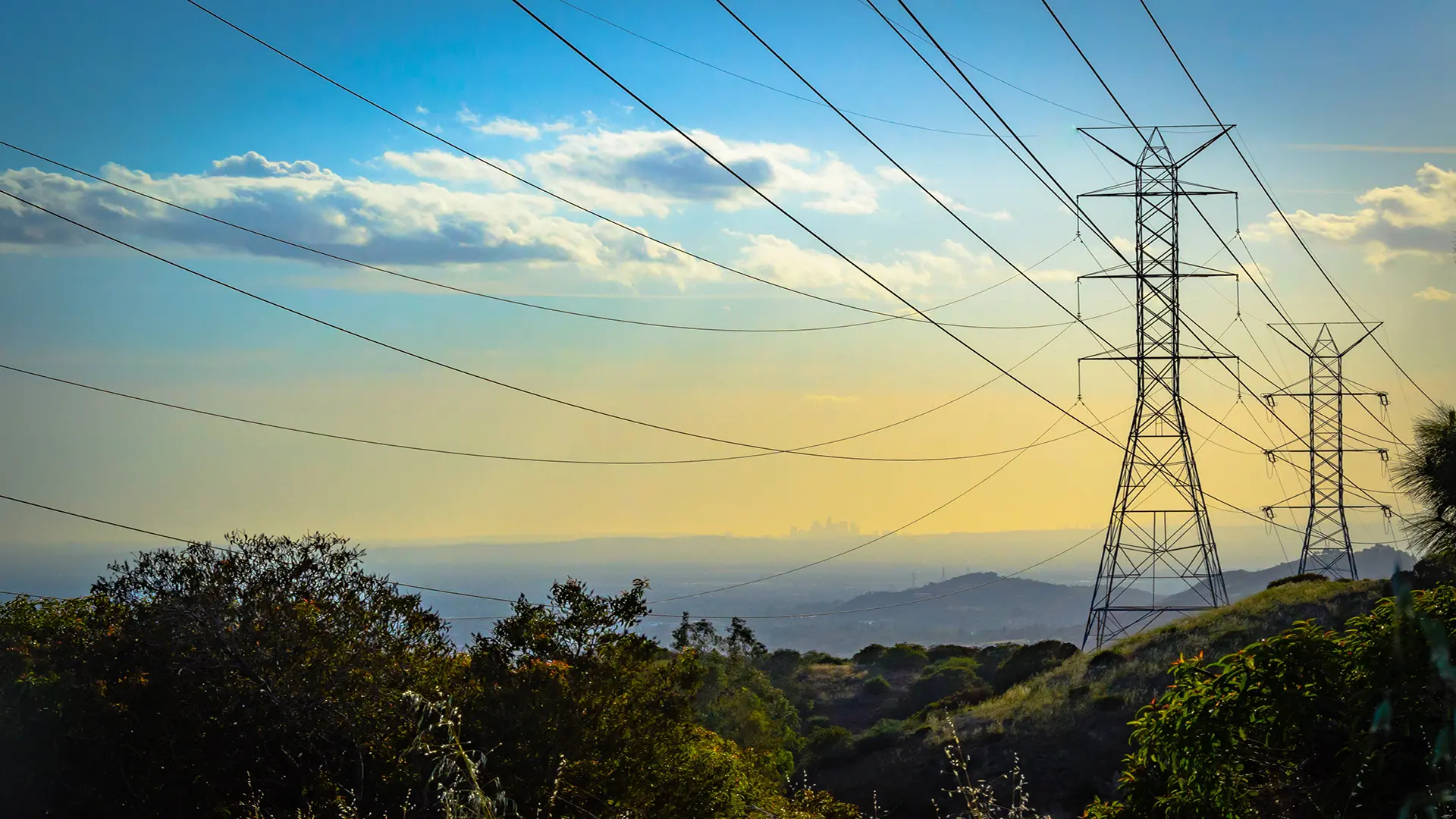
Researched by Industrial Info Resources (Sugar Land, Texas)--A bill coursing its way through the California Legislature would extend the state's cap-and-trade program for greenhouse gas emissions from 2030 to 2045.
Authorized by state law in 2006 and launched in 2013, the program requires power plants, refineries and other industrial facilities to purchase allowances from the state for each ton of carbon dioxide equivalent they emit. Businesses can buy or sell their unused credits at quarterly auctions. The program covers hundreds of businesses that are responsible for about 85% of California's greenhouse gas emissions.
The California Air Resources Board (CARB) sets a cap each year on carbon emissions. This cap decreases annually, with the goal of helping the state meet its goal of lowering emissions to 40% below 1990 levels and 85% below 1990 levels by 2045. CARB issues a number of allowances to pollute each year, equal to the cap, according to San Francisco radio station KQED. Around 46% of the allowances are sold to companies at quarterly auctions. About 37% are given to utilities, which are required to sell them at auction and return most of the proceeds to ratepayers. About 15% are given to companies for free to help them comply with the law.
California Governor Gavin Newsom began a drive earlier this year to extend the expiration date of the program to 2045. He said the program has raised nearly $33 billion. A report by CARB said the program has raised billions of dollars "for clean transportation, renewable energy, and climate resilience, with a strong focus on benefiting priority populations that are disproportionately hurt by climate and air pollution."
However, the largest recipient of the cap-and-trade money is California's high-speed rail program, which receives 25% of the annual revenue, according to KQED.
Newsom and lawmakers already have committed $1 billion in auction revenues this year to help fund the California Department of Forestry and Fire and want another $1 billion for the state's high-speed rail project, according to Politico, a U.S. political digital newspaper.
But the state's quarterly sales of emissions allowances has fallen short, with the May cap-and-trade auction generating only half the amount it generated last year.
A report from the nonprofit group Clean and Prosperous California estimated that uncertainty over legislative extension of the cap-and-trade program and delays in regulatory rulemaking have resulted in lost auction revenue of between $1.80 billion and $2.94 billion from the past five cap-and-trade auctions.
In April, that uncertainty was heightened when President Donald Trump took aim at state and local climate change laws, including cap-and-trade. California and 12 other states have cap-and-trade programs.
"California, for example, punishes carbon use by adopting impossible caps on the amount of carbon businesses may use, all but forcing businesses to pay large sums to 'trade' carbon credits to meet California's radical requirements," the April 8 executive order said.
Trump directed Attorney General Pam Bondi to "identify all state and local laws, regulations, causes of action, policies, and practices ... burdening the identification, development, siting, production, or use of domestic energy resources that are or may be unconstitutional, preempted by federal law, or otherwise unenforceable," and to "expeditiously take all appropriate action to stop the enforcement" of such laws and regulations.
State lawmakers and various interest groups have spent the last few months in talks over the proposed extension of the program and potential reforms. A draft version of Assembly Bill 1207 would require the California Air Resources Board to consider the social cost associated with emitting a metric ton of greenhouse gases, as determined by the U.S. Environmental Protection Agency in 2023, when establishing a price ceiling for emission allowances sold by the board. September 12 is the last day of this year for each house of the state Legislature to pass bills.
Industrial Info Resources (IIR) is the leading provider of industrial market intelligence. Since 1983, IIR has provided comprehensive research, news and analysis on the industrial process, manufacturing and energy related industries. IIR's Global Market Intelligence (GMI) helps companies identify and pursue trends across multiple markets with access to real, qualified and validated plant and project opportunities. Across the world, IIR is tracking more than 200,000 current and future projects worth $17.8 Trillion (USD).
/news/article.jsp
false
Want More IIR News Intelligence?
Make us a Preferred Source on Google to see more of us when you search.
Add Us On GoogleAsk Us
Have a question for our staff?
Submit a question and one of our experts will be happy to assist you.

Forecasts & Analytical Solutions
Where global project and asset data meets advanced analytics for smarter market sizing and forecasting.
Explore Our SolutionsRelated Articles

Industrial Project Opportunity Database and Project Leads
Get access to verified capital and maintenance project leads to power your growth.
Discover Our DatabaseIndustry Intel
-
Innovations Shaping the Next Era of Power GenerationPodcast Episode / May 22, 2026
-
The Role of Contract Manufacturing in Global Pharma GrowthPodcast Episode / May 8, 2026
-
2026 North American Labor OutlookPodcast Episode / Apr 24, 2026
-
2026 European Metals & Minerals Project Spending OutlookPodcast Episode / Apr 7, 2026
-
The Age of Critical Minerals in the AmericasPodcast Episode / Mar 20, 2026