Food & Beverage
Hydroponic Greenhouses in the U.S. Growing Inside and Out
It is estimated that currently the vegetable greenhouse industry has about 500 acres of greenhouses in operation. The largest of which is a 164-acre complex in Wilcox, Arizona (Plant 1061023).
Released Wednesday, May 05, 2004
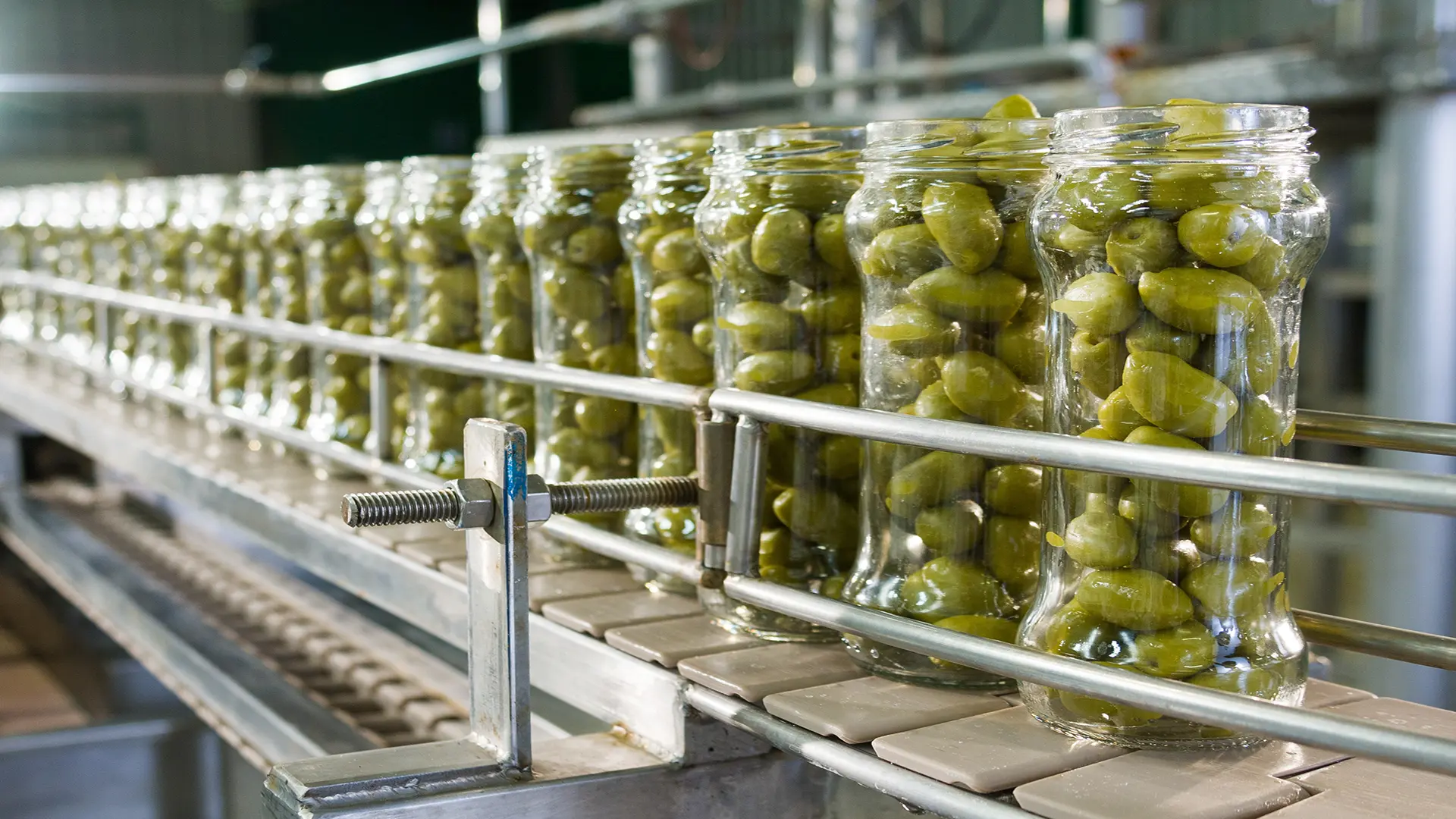
Researched by Industrialinfo.com (Industrial Information Resources, Incorporated; Houston, Texas). Many greenhouse vegetable growers believe the superior quality of greenhouse vegetables will allow the industry to capture a much larger share of the U.S. market in the future than the current level of about 10% they now supply. By late 2005, that level could grow to 30%, and the industry is poised to grow and increase the amount of acreage under roof by almost 100% in the next two years.
It is estimated that currently the vegetable greenhouse industry has about 500 acres of greenhouses in operation. The largest, of which, is a 164-acre complex owned by tomato producer, Eurofresh Farms in Wilcox, Arizona (Plant 1061023). The company is also constructing a smaller 20-acre greenhouse in Snowflake, Arizona (Plant 1062711) and an expansion is already in the planning phase.
In anticipation of future growth, Eurofresh has developed a five year expansion program, estimated at a cost of over $100 million that will add another 96 acres of total growing area to the company's portfolio making them by far the largest greenhouse complex in the country.
Within the next ten years, the industry is projected to triple in size with a likely 1,500 acres under roof. Elements driving the growth of greenhouse horticulture include the shrinking of the country's available acreage of farm land and the fact that greenhouses can produce an average of fifteen times more per acre, with more production cycles than field growers without using a single speck of soil or pesticides.
Two basic designs are used in greenhouse construction. Glass roof greenhouses that utilize opening windows for ventilation and plastic roof greenhouses that utilize fans for ventilation. Boilers and hot air heating and circulation fans are used to control the environment and hydroponic drip irrigation is used to achieve the desired growing climate.
The main vegetable crops grown in greenhouses are tomatos, lettuce, peppers, eggplant and cucumbers. Other crops include herbs, foliage plants, and flowers.
Advantages to greenhouse growing include a superior taste, quality, appearance, and extended shelf life. No weeds, soil cultivation or insects and closer plant spacing allow greater production from equal areas. Less water is needed for irrigation as well, and crops reach maturity faster.
It takes less than four gallons of water to produce a pound of tomatoes compared to the 250 pounds that is required to grow a pound a corn.
/news/article.jsp
false
Want More IIR News Intelligence?
Make us a Preferred Source on Google to see more of us when you search.
Add Us On GoogleAsk Us
Have a question for our staff?
Submit a question and one of our experts will be happy to assist you.

Forecasts & Analytical Solutions
Where global project and asset data meets advanced analytics for smarter market sizing and forecasting.
Learn MoreRelated Articles
-
U.S. Dairy Plant Construction Brings Billions in SpendingApril 16, 2026
-
U.S. Customs Says It Needs Time to Refund TariffsMarch 10, 2026

Industrial Project Opportunity Database and Project Leads
Get access to verified capital and maintenance project leads to power your growth.
Learn MoreIndustry Intel
-
2026 North American Labor OutlookPodcast Episode / Apr 24, 2026
-
2026 European Metals & Minerals Project Spending OutlookPodcast Episode / Apr 7, 2026
-
The Age of Critical Minerals in the AmericasPodcast Episode / Mar 20, 2026
-
2026 Regional Chemical Processing OutlookPodcast Episode / Mar 6, 2026
-
From Data to Decisions: How IIR Energy Helps Navigate Market VolatilityPodcast Episode / Nov 21, 2025