Power
Reactive Power: The Force Underlying the Electric Grid
Reactive power, measured in VARs (volt-amperes reactive), results from the interplay of two elements of electricity, the flow of electrons through ...
Released Friday, November 16, 2007
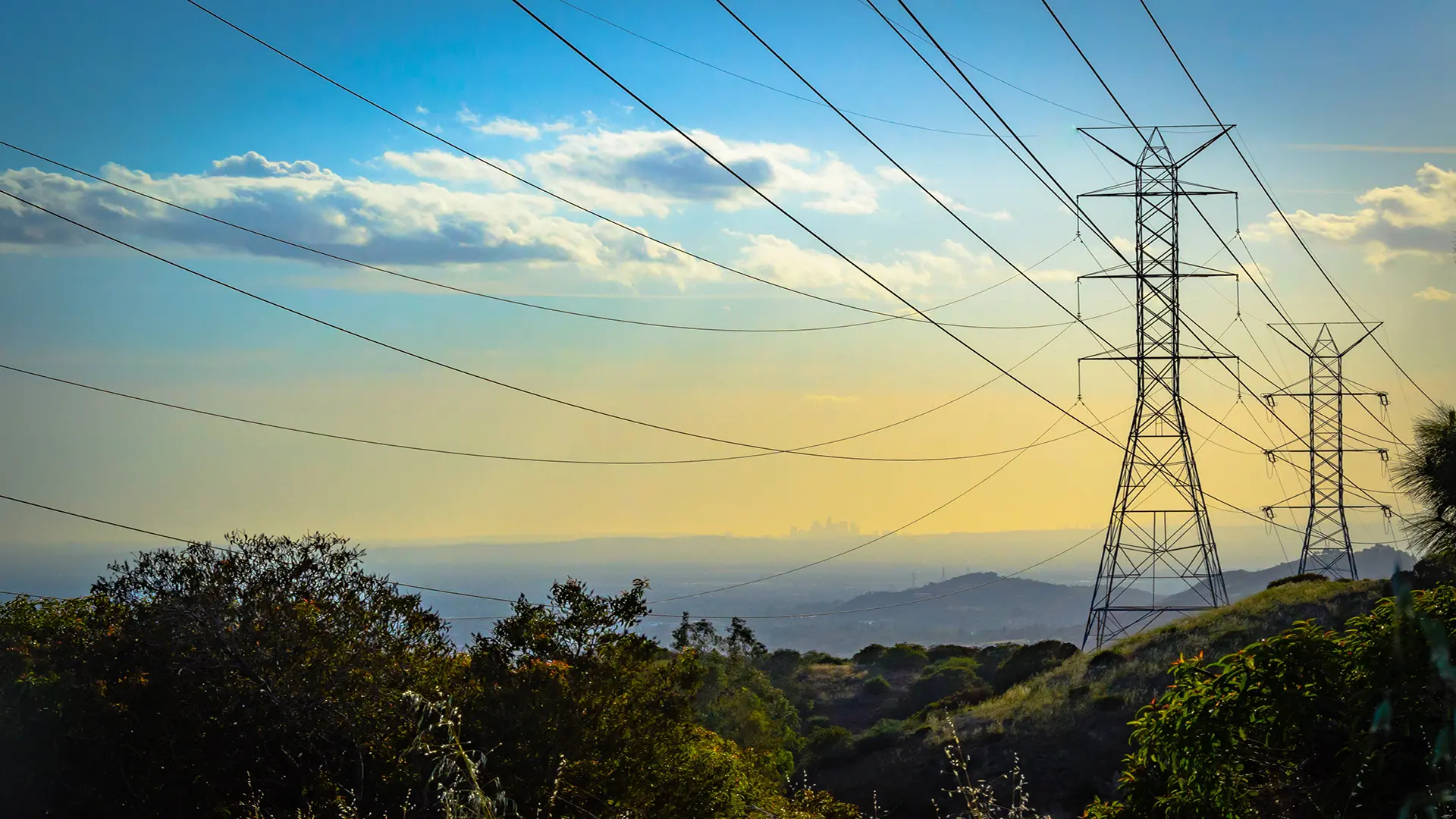
Researched by Industrial Info Resources (Sugar Land, Texas)--The North American Electric Reliability Council (NERC) stated in its October 2007 long-term reliability assessment that electrical usage is projected to grow more than twice as fast as committed resources over the next 10 years. Reliability concerns and capacity margins might fall below target limits, and as operating margins decrease, the ability of the system to manage unplanned events like equipment failures and extreme weather events will put more strain on an electrical grid already at or near its limits. Peak demand for electricity in the U.S. is forecast to increase by almost 18%, or 135,000 megawatts (MW) in the next 10 years. Meanwhile, committed resources to meet demand are projected to increase by roughly 8.5%, or 77,000 MW. According to the NERC, unless additional resources are brought into service, some areas could fall below target capacity margins in two or three years. Higher loads and imports driven by cooling demands require static/dynamic reactive support to augment generation in support of the electrical grid.
Reactive power, measured in VARs (volt-amperes reactive), results from the interplay of two elements of electricity, the flow of electrons through the wires and the force pushing them along to the consumer. Almost all bulk electric power in the United States is generated, transported and consumed in an alternating current (AC) network. Elements of AC systems produce and consume two kinds of power: real power (measured in watts) and reactive power. Real power accomplishes useful work (e.g., running motors and lighting lamps). Reactive power supports the voltages that must be controlled for system reliability. Reactive power is supplied by several sources, including transmission equipment (such as capacitors, reactors, static VAR compensators and static compensators), generators and synchronous condensers. Reactive power does not travel over long distances because of line losses, so it must be procured from suppliers near where it is needed. In 2003, one of the largest blackouts in U.S. history shut down much of the northeast electrical grid and left 50 million people in the dark. After months of investigative work by multiple entities and the FERC, a conclusion was reached that insufficient reactive power was the culprit.
This little-understood component of electricity, sometimes called "imaginary power" by electrical engineers because it is so arcane and the mathematical formulas that describe it contain the square root of minus one (known in math as an imaginary number), can cause the grid to collapse upon itself when inadequate amounts are available.
During the days of regulation electrical providers would produce their own reactive power to avoid system outages and irate customers, but with deregulation and new merchant plants selling power over long distances, it became more lucrative to produce just enough reactive power to avoid overheating the generator (reactive capability curve) as the money was made selling real power, not reactive power. After deregulation, Independent System Operators (ISOs) Regional Transmission Organization (RTOs) and Qualified Scheduling Entities (QSEs) monitored and set prices for reactive power payments, yet not all generation providers received compensation. When market prices and generation are at peak demand, power producers sacrifice reactive power for real power because that's where the money is made, but that's also where the problems begin. As temperatures and loads increase, VARs decrease, and the electrical grid is then more susceptible to anomalies that could cause a disruption or a blackout such as a large generator going offline or major transmission lines going down which recently happened in California during the firestorms that ravaged the southern portion of the state. The FERC and related agencies are studying market-based compensation and pricing rates, as well as the rules and regulations governing such transactions including the computer software to track these activities. But according to their time frame it is likely to require five to 10 years to fully implement nationwide. Until then, electrical loads will continue to grow with new generation coming on line at an accelerated pace while reactive power supplies continue to limp along.
Industrial Info Resources (IIR) is the leading marketing information services company for the industrial process, heavy manufacturing and energy-related markets throughout the world. For more than 24 years, IIR has provided accurate and timely intelligence through products such as plant and project information databases, focused market databases, industry forecasting, key industry contacts, industry and territorial map products, direct marketing services and applications, and daily industry news.
/news/article.jsp
false
Want More IIR News Intelligence?
Make us a Preferred Source on Google to see more of us when you search.
Add Us On GoogleAsk Us
Have a question for our staff?
Submit a question and one of our experts will be happy to assist you.

Forecasts & Analytical Solutions
Where global project and asset data meets advanced analytics for smarter market sizing and forecasting.
Explore Our SolutionsRelated Articles

Industrial Project Opportunity Database and Project Leads
Get access to verified capital and maintenance project leads to power your growth.
Discover Our DatabaseIndustry Intel
-
2026-2027 Investment Radar for Mexico, Central America & the CaribbeanPodcast Episode / May 29, 2026
-
Innovations Shaping the Next Era of Power GenerationPodcast Episode / May 22, 2026
-
The Role of Contract Manufacturing in Global Pharma GrowthPodcast Episode / May 8, 2026
-
2026 North American Labor OutlookPodcast Episode / Apr 24, 2026
-
2026 European Metals & Minerals Project Spending OutlookPodcast Episode / Apr 7, 2026