Power
Dubai to Begin Importing Coal, Looks to Nuclear in Long Term as Energy Demand Surges
Although the United Arab Emirates (UAE) is ranked as one of the top petroleum exporters in the world, it is faced with an energy crisis.
Released Friday, October 29, 2010
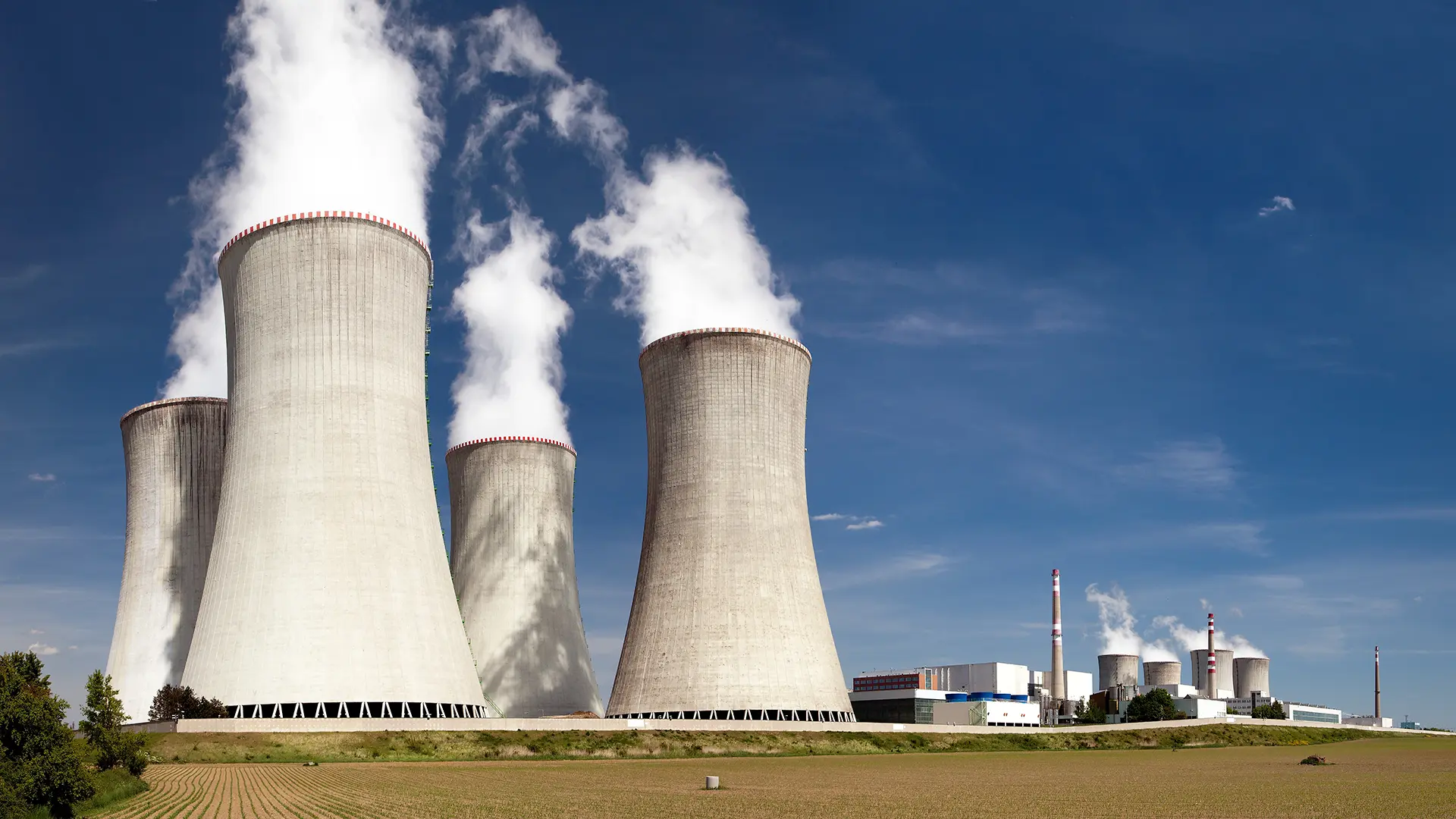
Researched by Industrial Info Resources (Sugar Land, Texas)--Though the United Arab Emirates (UAE) is ranked as one of the top petroleum exporters in the world, it is faced with an energy crisis. The UAE has plenty of natural gas reserves, but those reserves are set aside for pressure maintenance in petroleum wells and the overall improvement of oil production. They were not intended to be utilized by the electricity sector. In 2007, Abu Dhabi's oil output dropped by 600,000 barrels per day (BBL/d), as natural gas reserves were diverted to electricity generation in power plants. The UAE has since decided to import natural gas for power plants.
While enjoying the high price of oil and gas, the UAE, Dubai in particular, is struggling with a development boom that has lead to an extremely high demand for energy. Dubai expects its population to increase to 2.6 million by 2015, but it already has a per capita energy consumption six times higher than that of the global average. Due to the high energy demand, Dubai has been hard-pressed for supply, and the Emirate is beginning to experience power shortages and blackouts.
The Supreme Council of Energy convened in June and proposed "Energy Strategy 2030," a plan that will be implemented to provide Dubai with alternative energy sources to power the utility sector. Coal and nuclear-derived power were part of the proposal. Last year, Abu Dhabi finalized a deal with Korea to construct its first nuclear power stations, also to be the first commercial stations in the Middle East. These nuclear power stations, planned to provide at least 1,000 megawatts (MW) each, are a clear solution to long-term power demands for the UAE. With Dubai's population set to double by 2015, inexpensive short-term fixes are needed immediately.
As of 2007, the UAE neither imported nor consumed any coal, although other Middle Eastern countries increased their consumption of coal, as the cost of coal was much less than petroleum, and the high price of petroleum brought substantial export revenues to oil-producing countries. In April 2008, Oman Oil Company (Muscat, Oman) signed a deal with South Korean companies to construct several coal-fired plants in the near future. With the cost of coal so low, Dubai stands to benefit from importing cheap power plant fodder while exporting expensive crude. Coal costs about $15 per megawatt-hour (MWh), while oil hovers around $70 per MWh. "Energy Strategy 2030" set forth plans for a massive coal-fired plant to be constructed between Al-Aweer and Hatta. Phase I, estimated to cost $5.5 billion, is scheduled to undergo construction beginning at the end of 2012 and be completed in 2015. The entire complex, designed to be constructed in four phases, is anticipated to produce 5,000 MW to be provided to Dubai's regional grid.
Although coal-fired plants are apt to provide a quick fix to Dubai's power problems, environmental problems will begin to stack up. Greenpeace has estimated that more than 5,000 coal-fired plants will be active by 2030, therefore boosting the overall CO2 emissions level considerably. Anthracite-fired, or coal-fired, power plants emit 750 grams of CO2 per kilowatt-hour (KWh), 50% higher than that of oil-fired power plants. Nations classified as developing countries, such as the UAE, that have ratified the Kyoto Protocol are not yet obligated to reduce emissions.
View Project Report - 300020237
Industrial Info Resources (IIR) is the leading provider of global market intelligence specializing in the industrial process, heavy manufacturing and energy markets. IIR's quality-assurance philosophy, the Living Forward Reporting Principle, provides up-to-the-minute intelligence on what's happening now, while constantly keeping track of future opportunities.
/news/article.jsp
false
Want More IIR News Intelligence?
Make us a Preferred Source on Google to see more of us when you search.
Add Us On GoogleAsk Us
Have a question for our staff?
Submit a question and one of our experts will be happy to assist you.

Forecasts & Analytical Solutions
Where global project and asset data meets advanced analytics for smarter market sizing and forecasting.
Explore Our Solutions
Industrial Project Opportunity Database and Project Leads
Get access to verified capital and maintenance project leads to power your growth.
Discover Our DatabaseIndustry Intel
-
Innovations Shaping the Next Era of Power GenerationPodcast Episode / May 22, 2026
-
The Role of Contract Manufacturing in Global Pharma GrowthPodcast Episode / May 8, 2026
-
2026 North American Labor OutlookPodcast Episode / Apr 24, 2026
-
2026 European Metals & Minerals Project Spending OutlookPodcast Episode / Apr 7, 2026
-
The Age of Critical Minerals in the AmericasPodcast Episode / Mar 20, 2026