Alternative Fuel
Energy Beets for Fuel Heat Up Biofuels Market
Giant, 10-pound energy beets make a fine feedstock for biofuel production, as they are believed to have the lowest cost of any biofuel-processing material. They are classified as 'advanced...
Released Wednesday, March 28, 2012
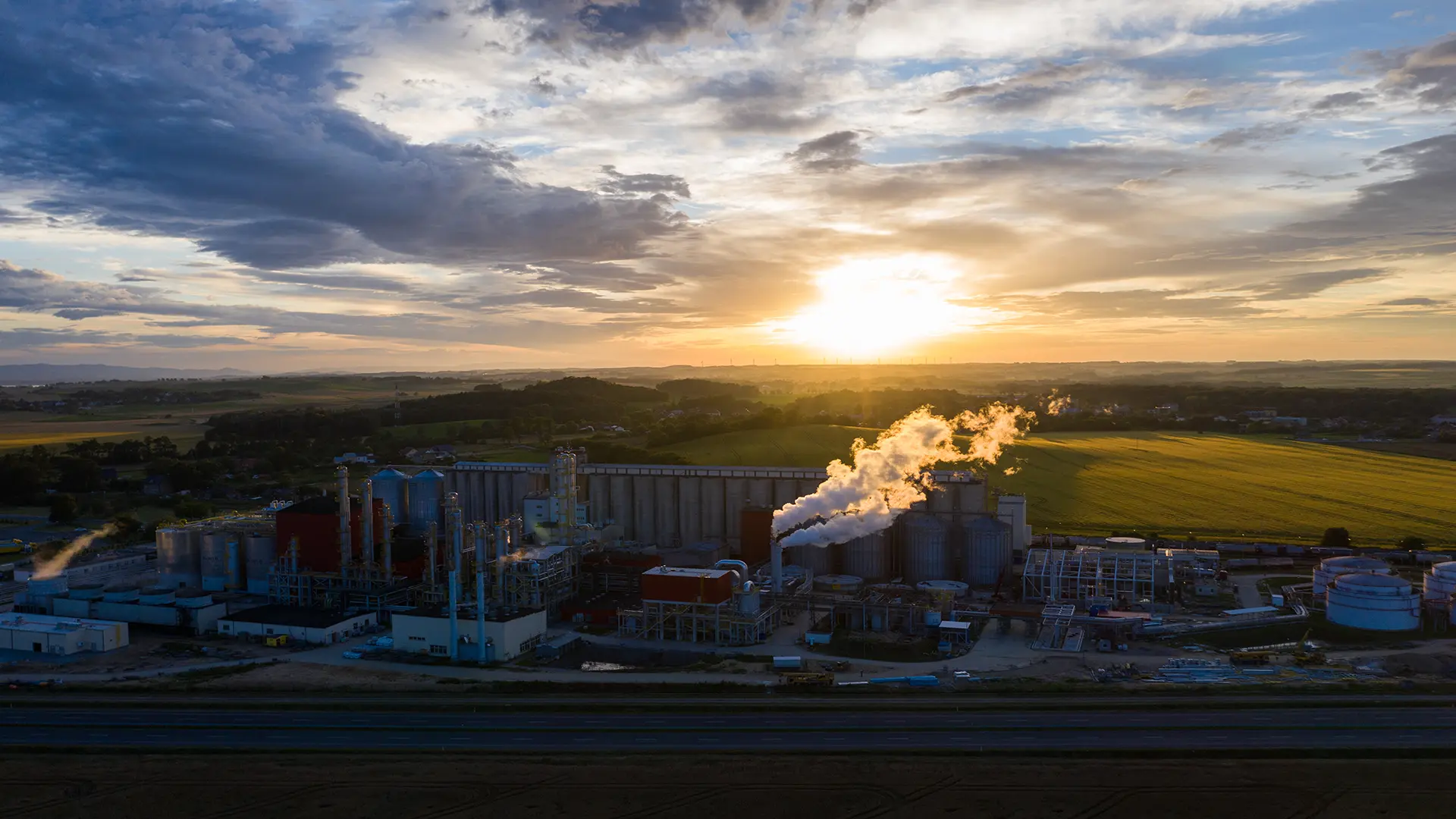
Researched by Industrial Info Resources (Sugar Land, Texas)--Giant, 10-pound energy beets make a fine feedstock for biofuel production, as they are believed to have the lowest cost of any biofuel-processing material. They are classified as "advanced biofuels," as energy beets are not suitable for human consumption due to impurity levels.
There are only a handful of proposed energy-beet biofuel plants across the country. But within the next three years, biofuel from beets and capital spending to put these plants into production exceeds more than $360 million in capital investments and will add more than 118 million gallons of ethanol capacity.
The Mendota Advanced Bioenergy Beet Cooperative (Five Points, California) may very well be the first to construct a commercial-scale plant in California. The cooperative will learn in May whether the California Energy Commission will award some $5 million to develop a pilot refinery and hopes to develop a 30 million-gallon-per-year plant next year.
BeetsAll Biofuel LLC (Fargo, North Dakota) has an aggressive plan to construct 12 beet-to-ethanol plants in North Dakota next year. Each plant is expected to have the capacity to produce 20 million gallons per year of fuel ethanol by late 2014.
Maibach Agri-Energy Center LLC (Lancaster, Pennsylvania) is planning to construct a 38 million-gallon-per-year plant in Mount Joy, Pennsylvania, this year that is expected to produce 38 million gallons per year of ethanol, along with an 8-megawatt cogeneration unit that is expected to be completed in the second quarter of 2014.
North Dakota State University (Fargo, North Dakota) is performing feasibility studies to construct a 20 million-gallon-per-year plant on campus that could be operational by late 2013.
Montana Biopolymers Incorporated (Winnsboro, South Carolina) is looking into the possibility of constructing a sugar beets-to-polymers plant in South Carolina that is expected to process 20 metric tons per year of sugar beets into bio products.
Expect to see a strong focus on energy beets and plant genetics in the coming years. Yields can improve up to 20% in the next few years through genetic pool and breeding programs. Some irrigated crops yield in excess of 40 tons per acre at 18% sugar. It's time for the U.S. to get out of pilot plant mode and work on commercial-scale facilities.
View Project Report - 29001314 200004767 300018979 300024902 200002762
Industrial Info Resources (IIR), with global headquarters in Sugar Land, Texas, and eight offices outside of North America, is the leading provider of global market intelligence specializing in the industrial process, heavy manufacturing and energy markets. Industrial Info's quality-assurance philosophy, the Living Forward Reporting Principle, provides up-to-the-minute intelligence on what's happening now, while constantly keeping track of future opportunities.
/news/article.jsp
false
Want More IIR News Intelligence?
Make us a Preferred Source on Google to see more of us when you search.
Add Us On GoogleAsk Us
Have a question for our staff?
Submit a question and one of our experts will be happy to assist you.

Forecasts & Analytical Solutions
Where global project and asset data meets advanced analytics for smarter market sizing and forecasting.
Explore Our Solutions
Industrial Project Opportunity Database and Project Leads
Get access to verified capital and maintenance project leads to power your growth.
Discover Our DatabaseIndustry Intel
-
Innovations Shaping the Next Era of Power GenerationPodcast Episode / May 22, 2026
-
The Role of Contract Manufacturing in Global Pharma GrowthPodcast Episode / May 8, 2026
-
2026 North American Labor OutlookPodcast Episode / Apr 24, 2026
-
2026 European Metals & Minerals Project Spending OutlookPodcast Episode / Apr 7, 2026
-
The Age of Critical Minerals in the AmericasPodcast Episode / Mar 20, 2026