Pipelines
Reports Conflict on India's Participation in Iran-Pakistan-India Natural Gas Pipeline Project
According to news reports published by Mehr News Agency (Tehran, Iran), India has removed itself from the $8 billion Iran-Pakistan-India (IPI) pipeline...
Released Tuesday, September 15, 2009
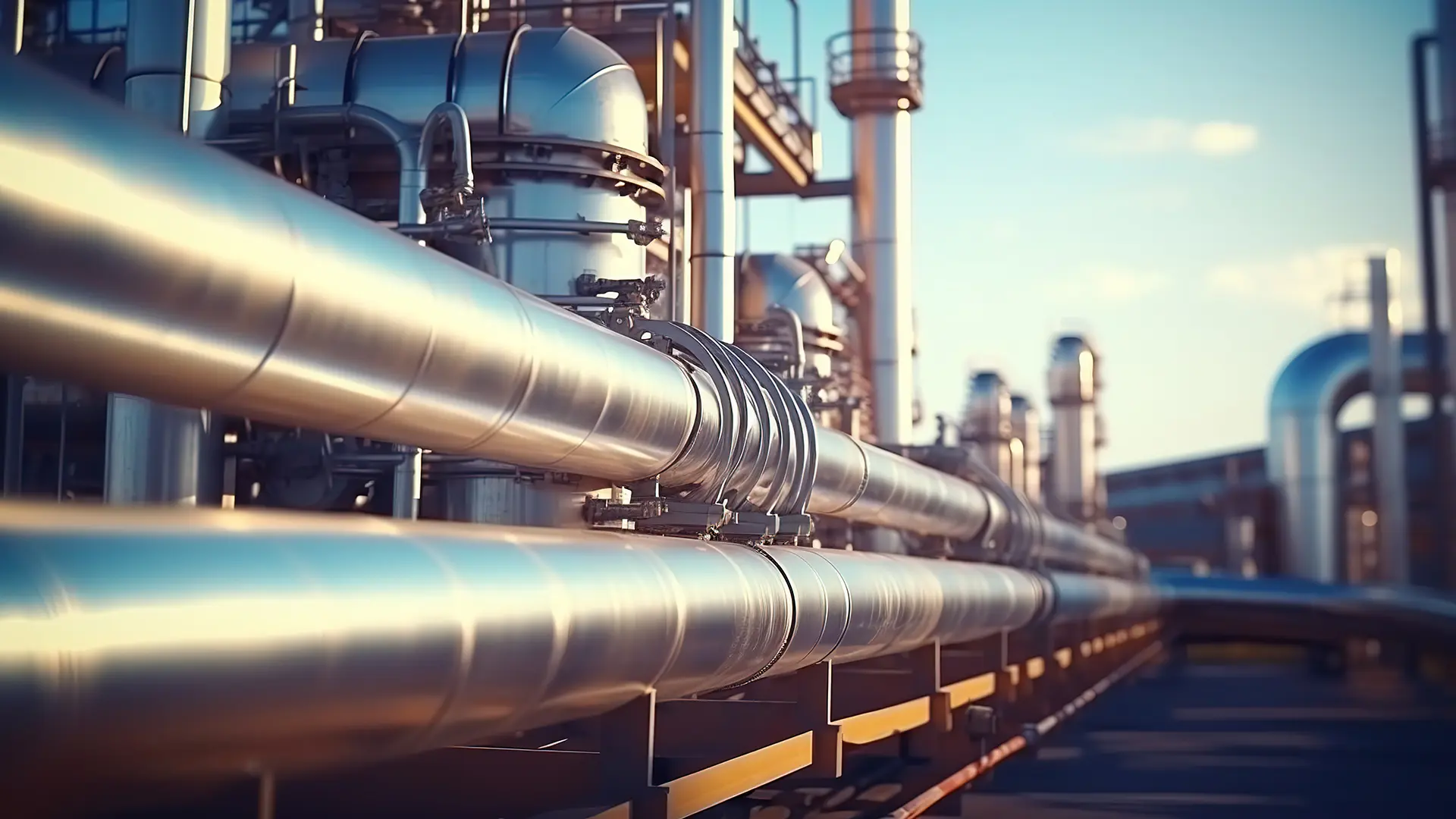
Researched by Industrial Info Resources (Sugar Land, Texas)--According to news reports published by Mehr News Agency (Tehran, Iran), India has removed itself from the $8 billion Iran-Pakistan-India (IPI) pipeline project that was to be developed for importing natural gas from Iran to India via Pakistan. Mehr says the Ambassador of Pakistan to Iran, Muhammad Bux Abbasi, is the source of the news. Abbasi is reported to have said that Pakistan intends to increase the quantity of crude oil that it imports from Iran.
In May, Iran and Pakistan signed a $7.6 billion supply agreement, whereby Iran will supply gas to Pakistan from 2013 through a proposed pipeline. The supplies would begin at 30 million cubic meters per day of gas and would later be increased to 60 million cubic meters per day. The two nations are currently discussing the technical details of the project, regardless of India's participation.
However, Iranian officials have stated that India has not made any official announcement about exiting the project. According to earlier plans, construction of the IPI or Peace Pipeline was to begin in 2010. However, if the pipeline were constructed as planned, it would be 2,775 kilometers long and have an initial capacity of 22 billion cubic meters per year, which would later be raised to 55 billion cubic meters per year. Natural gas would be sourced from Iran and Qatar's shared South Pars Field, the world's largest natural gas field. According to the plans, Pakistan would receive 60 million metric standard cubic meters per day of gas, while India would receive 90 million.
The IPI project was conceptualized in 1989 to ease the energy crisis in India. However, the project has remained at a standstill because of the politics involved and the long, tedious pricing negotiations between Iran and India, which remain mostly unresolved. The negotiations had reached a major setback in 2006, when India and Iran could not agree on a price. While the three nations finally arrived at an agreement on the price in early 2007, certain details have yet to be ironed out. Meanwhile, India and Pakistan have agreed on a transit price that India will pay for passage of gas through Pakistan. Although there have been talks of an undersea route for a pipeline from Iran to India that would bypass Pakistan completely, the cost implications of such a project are prohibitively high. Given the tense political relationship between India and Pakistan, the undersea route has some support, but the cost would be four times that of the overland route.
The United States has been very vocal about its opposition to any agreement with Iran. The U.S. believes the pipeline would help Iran strengthen its economy and escape some of the economic sanctions that the U.S. wants to impose. Pakistan also has been constantly pressurized by the U.S. to exit the project. However, like India, Pakistan faces massive power deficits and hopes to generate about 4,600 MW of power from Iranian gas.
India's natural gas production during April 2008 to February 2009 was 30,019 million cubic meters, while demand stood at 34,062 million cubic meters. According to the Centre for Monitoring Indian Economy (Mumbai), India's domestic natural gas output is expected to reach 52,239 million cubic meters in 2009-10. The 60.5% expected growth is largely because of the commencement of natural gas production from the Krishna-Godavari basin by Reliance Industries Limited (BSE:500325) (Mumbai) from April 2009. The D-6 block of the basin currently has a capacity to produce 13 million metric standard cubic meters per day of natural gas. The first 15.3 million metric standard cubic meters per day of gas to be produced by the fields has been committed to urea manufacturing plants. Volumes of gas produced above this quantity would be supplied to gas-based power plants.
India has active liquefied natural gas supply contracts with Australia, Malaysia, Oman, Qatar and Turkmenistan.
Industrial Info Resources (IIR) is the leading provider of global market intelligence specializing in the industrial process, heavy manufacturing and energy related markets. For more than 26 years, Industrial Info has provided plant and project opportunity databases, market forecasts, high resolution maps, and daily industry news.
/news/article.jsp
false
Want More IIR News Intelligence?
Make us a Preferred Source on Google to see more of us when you search.
Add Us On GoogleAsk Us
Have a question for our staff?
Submit a question and one of our experts will be happy to assist you.

Forecasts & Analytical Solutions
Where global project and asset data meets advanced analytics for smarter market sizing and forecasting.
Explore Our SolutionsRelated Articles
-
Can Canada Really Achieve its Oil Export Ambitions?May 22, 2026
-
UAE Sees New Pipeline Ready by 2027May 22, 2026

Industrial Project Opportunity Database and Project Leads
Get access to verified capital and maintenance project leads to power your growth.
Discover Our DatabaseIndustry Intel
-
Innovations Shaping the Next Era of Power GenerationPodcast Episode / May 22, 2026
-
The Role of Contract Manufacturing in Global Pharma GrowthPodcast Episode / May 8, 2026
-
2026 North American Labor OutlookPodcast Episode / Apr 24, 2026
-
2026 European Metals & Minerals Project Spending OutlookPodcast Episode / Apr 7, 2026
-
The Age of Critical Minerals in the AmericasPodcast Episode / Mar 20, 2026