Power
Renewable Power Generation Rises in the U.K.
The amount of power generated in the U.K. from renewable sources rose to 5.5% of total electricity generation in 2008, an increase of 4.9% over 2007.
Released Tuesday, August 04, 2009
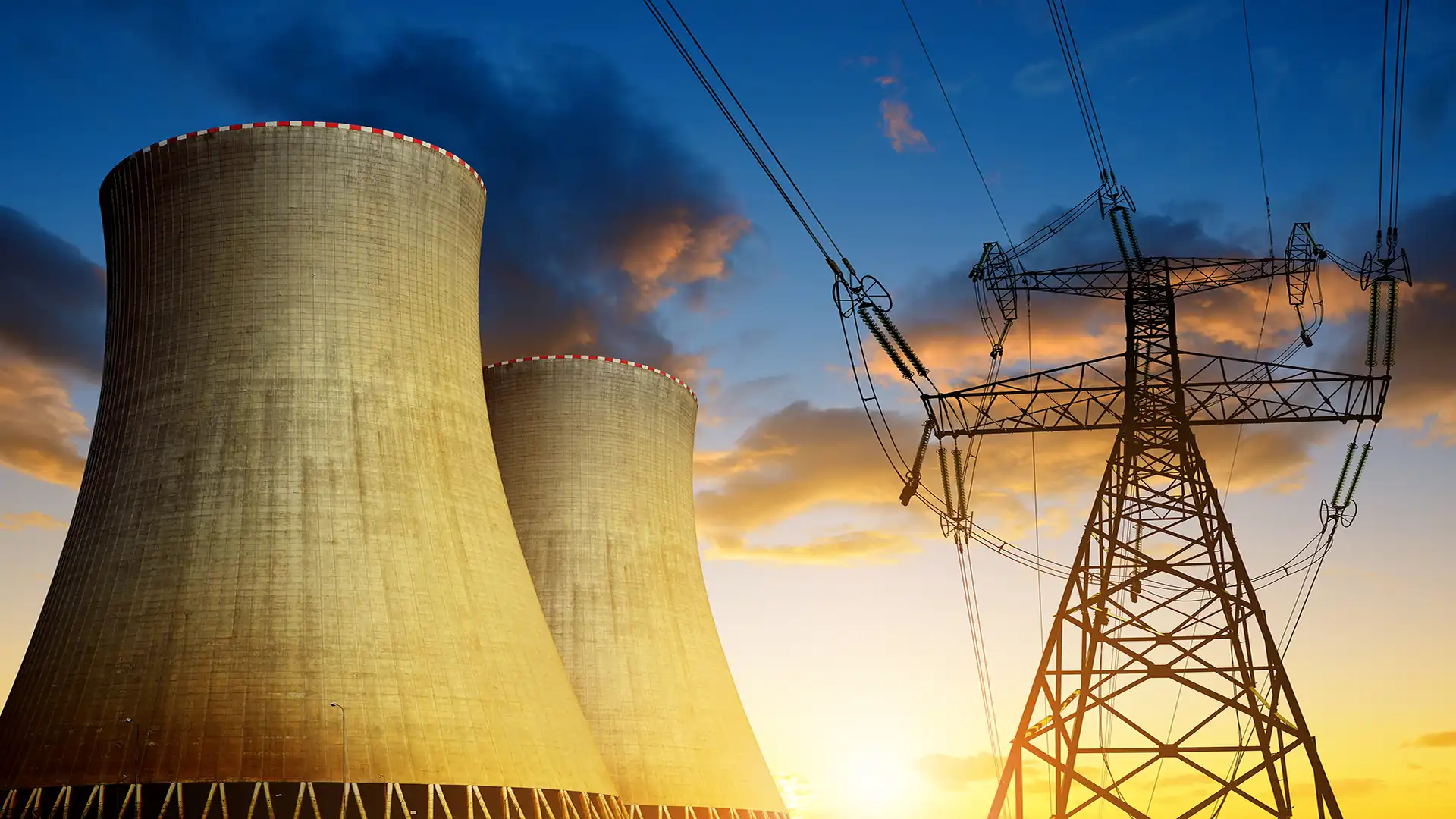
Researched by Industrial Info Resources (Sugar Land, Texas)--The amount of power generated in the U.K. from renewable sources rose to 5.5% of total electricity generation in 2008, an increase of 4.9% over 2007. According to the statistics published in the Digest of United Kingdom Energy Statistics 2009 (DUKES), published by the Department of Energy and Climate Change (DECC), on a renewable obligation basis, 5.4% of electricity came from eligible sources, which is nearly treble the 1.8% achieved 2002. Overall, U.K. energy consumption in 2008 decreased 1.1%.
In 2008, renewables again showed an increase in contribution to the overall energy generation picture. Under the Renewables Obligation to the U.K. electricity sales policy, energy from renewables has grown from 4.5% in 2006 to 4.8% in 2007 and 5.4% in 2008. Installed electrical generating capacity of renewable sources rose by 19% in 2008, thanks mainly to a 49% increase in offshore wind capacity, a 38% increase in onshore wind capacity and a modest 4% increase in the capacity of sites fuelled by biomass and wastes.
Electricity supplied from nuclear sources continued to decline in 2008, accounting for 47.7 terawatt hours (TWh), or 13% of the total electricity supply of 379 TWh. This is the lowest proportion contributed by nuclear power since 1981.
On the other hand, overall gas demand rose 3.1%, with gas demand for electricity generation rising 6.2%. Gas' share of the U.K.'s supply of electricity was 45%. Conversely, coal consumption fell 7.5% overall in 2008, while there was a 9% decrease in consumption by major power producers, which typically accounts for 82% of total coal demand. About 32% of the electricity generated in the U.K. came from coal in 2008, down from 34% in 2007.
Last year saw a 0.4% decrease in the total supply of electricity in the U.K. in 2008 to 399.6 TWh, the third successive year that total electricity supply has fallen. Indigenous electricity supply fell 1.8%, but net imports of electricity more than doubled to 11 TWh caused by both higher imports and lower exports.
Unlike 2007, last year saw the domestic sector becoming the largest electricity consumer (117.8 TWh), while the industrial sector consumed 113.6 TWh. In 2008, domestic consumption increased 2.4%, and industrial consumption decreased 2.9%. The largest energy-consuming industrial sector was Chemical Processing Industry, which accounted for 18% of all industrial energy consumption.
IIR's Renewable Energy Database provides extensive coverage on the Wind Energy, Geothermal, Hydroelectric, Landfill Gas-to-Energy and Utility-Scale Solar power plants throughout North America, and now expanding coverage across the world.
Industrial Info Resources (IIR) is the leading provider of global market intelligence specializing in the industrial process, heavy manufacturing and energy related markets. For more than 26 years, Industrial Info has provided plant and project opportunity databases, market forecasts, high resolution maps, and daily industry news.
/news/article.jsp
false
Want More IIR News Intelligence?
Make us a Preferred Source on Google to see more of us when you search.
Add Us On GoogleAsk Us
Have a question for our staff?
Submit a question and one of our experts will be happy to assist you.

Forecasts & Analytical Solutions
Where global project and asset data meets advanced analytics for smarter market sizing and forecasting.
Explore Our SolutionsRelated Articles

Industrial Project Opportunity Database and Project Leads
Get access to verified capital and maintenance project leads to power your growth.
Discover Our DatabaseIndustry Intel
-
Innovations Shaping the Next Era of Power GenerationPodcast Episode / May 22, 2026
-
The Role of Contract Manufacturing in Global Pharma GrowthPodcast Episode / May 8, 2026
-
2026 North American Labor OutlookPodcast Episode / Apr 24, 2026
-
2026 European Metals & Minerals Project Spending OutlookPodcast Episode / Apr 7, 2026
-
The Age of Critical Minerals in the AmericasPodcast Episode / Mar 20, 2026